
Beamish Passive House
High-Performance SIP Self-Build with Measured Energy and Airtightness Results
About the project
CLIENT: Preston Farm Developments
ARCHITECT: GDL Architecture
PROJECT TYPE: House, Garage and Gym
HOUSE TYPE: 456m² GIA
SIP Build UK Scope: Design, engineering, manufacture, supply and installation of the house and gym SIP/timber superstructures, taking the structures to weathertight stage. The package also included the supply-only garage frame and canopy.
System Products:
175mm SIP Panel
The panels are typically 1220mm wide and can be as long as 7.5 metres in length to suit each individual project. https://sipbuilduk.co.uk/sip-walls/
Roof
Engineered timber roof structure comprising glulam beams and loose-cut rafters with a standing seam metal roof finish.
TF200
TF200 is a breather membrane product offered by the company Glidevale Protect. It is a high-performance membrane meant for safeguarding external walls including roof while construction is happening.
tbc – tbc + *2025
The costs provided are totally indicative and should be used informatively and not part of any detailed budgeting process. How long is a piece of string comes to mind!!! https://sipbuilduk.co.uk/sip-cost/
We do hope however that this helps to provide a picture of what can be achieved with our structures within different budget ranges.
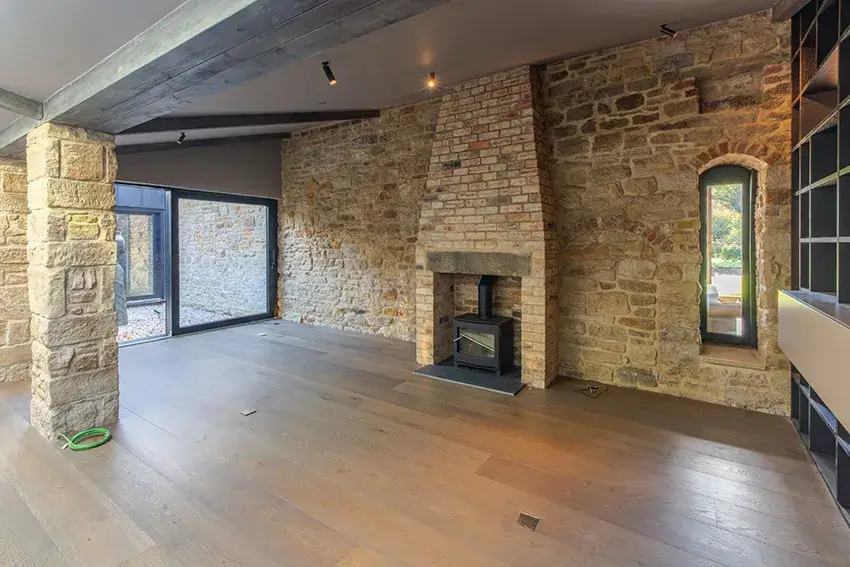
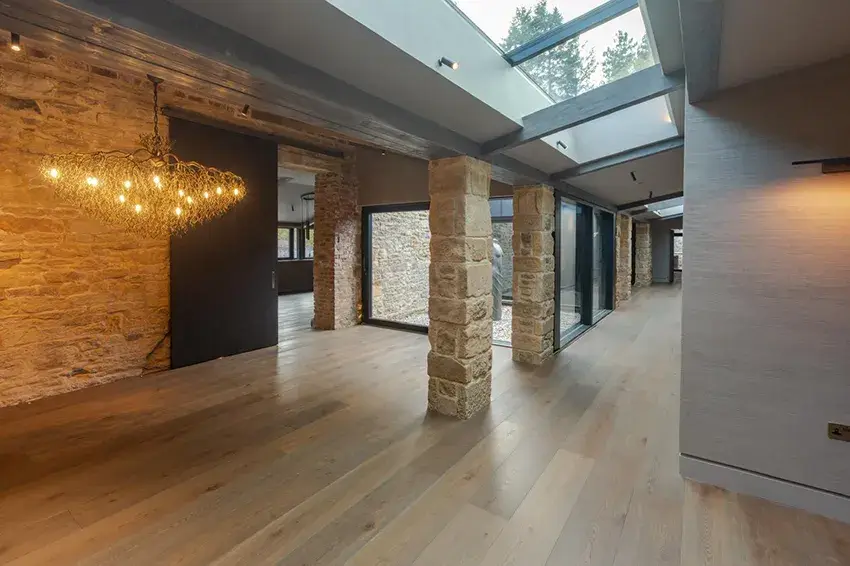
Beamish Passive House is a bespoke, owner-commissioned home within the former walled nursery garden serving Beamish Hall.
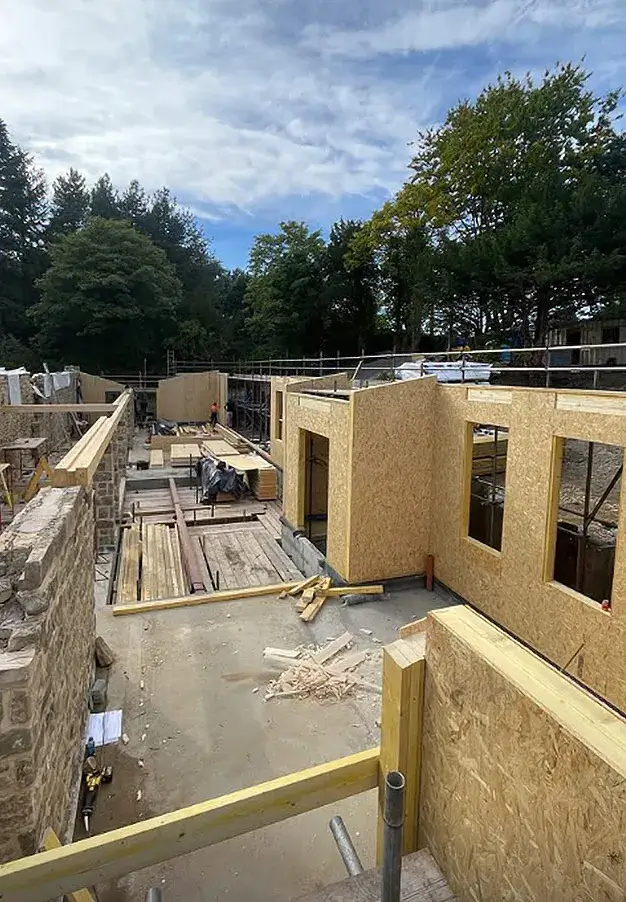
The site includes a Grade II listed garden wall within the Beamish Burn Conservation Area, creating the challenge of combining sensitive historic fabric with a contemporary, high-performance home.
SIP Build UK worked closely with main contractor Preston Farm Developments and GDL Architecture, providing the design, engineering, manufacture, supply and installation of the house and gym SIP/timber superstructures.
The completed project demonstrates how structural insulated panels can form part of a highly efficient building envelope while accommodating complex architecture and retained historic structures.
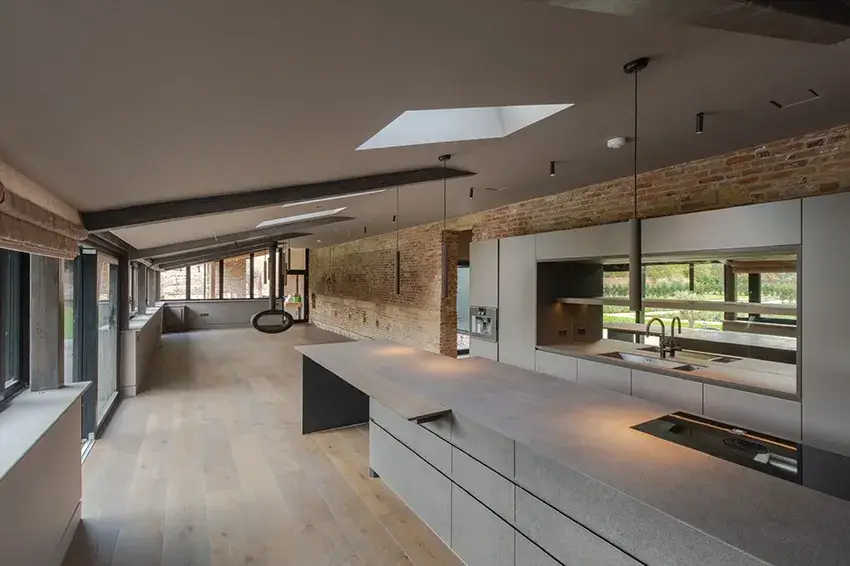
What Did SIP Build UK Deliver at Beamish?
SIP Build UK’s scope covered the design, engineering, manufacture, supply and installation of the house and gym SIP/timber superstructures following completion of the groundworks, taking both structures to weathertight stage.
The package also included the supply-only garage frame and canopy.
The structural solution incorporated:
- 175mm SIP wall panels
- Engineered timber roof structure
- Glulam elements
- Loose-cut timber elements
Together, these created an integrated structural solution capable of responding to the project’s architectural and technical requirements.
For further information about our panels, visit SIP Specifications.
What Performance Did Beamish Passive House Achieve?
With construction complete and final performance information available, Beamish provides real-world evidence of the results achieved by the finished home.
The completed property achieved:
- Air-pressure test: 0.98m³/(h·m²) at 50Pa
- Wall U-value: 0.12W/m²K
- Roof U-value: 0.11W/m²K
- SAP rating: 100 A
- Reported primary energy use: 5kWh/m² per year
- EPC-reported annual carbon emissions: 0.1 tonnes
The home also incorporates an air source heat pump and solar photovoltaic panels, further reducing operational energy use and carbon emissions.
These figures are particularly valuable because they represent the completed project, rather than design-stage performance expectations.
For more information about how SIP construction can contribute to building-envelope performance, explore our SIP Wall Build-Ups and U-Values.

What Made Beamish a Challenging SIP Project?
Beamish required considerably more than achieving low U-values.
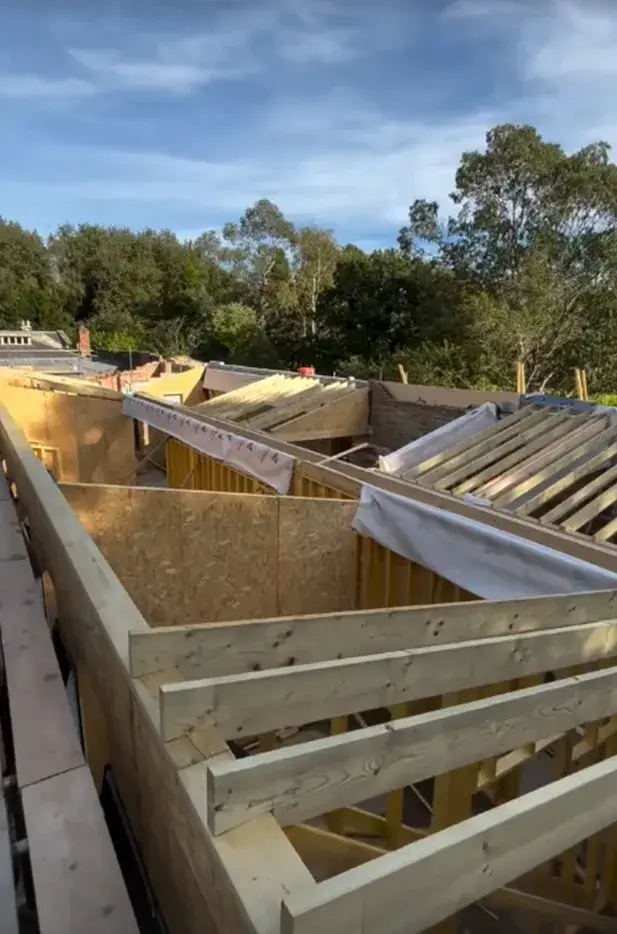
The design had to accommodate a Grade II listed wall, retained historic fabric, multiple roof forms, changing ridge lines, large structural openings and extensive glazing.
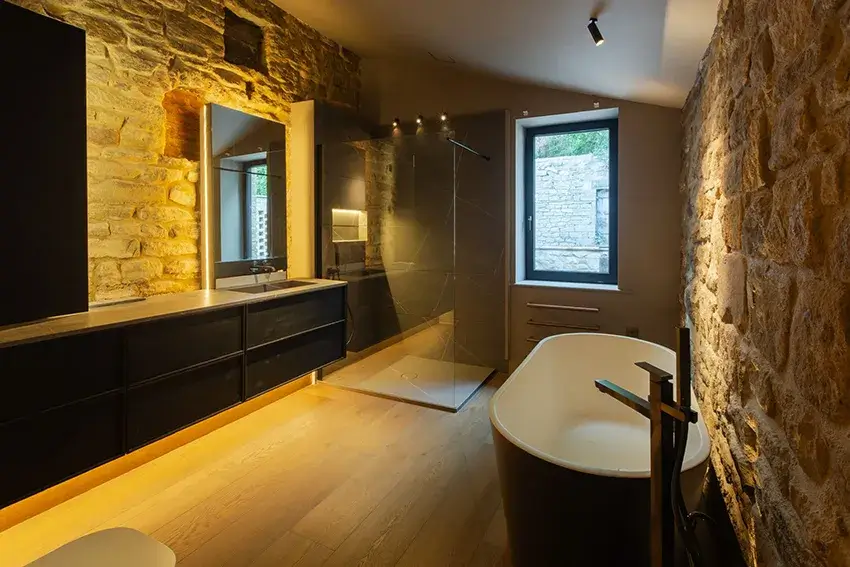
The completed architectural design also brings together stone, brick, timber, zinc and slate.
This created numerous structural junctions and interfaces where careful coordination was essential.
SIP Build UK worked alongside Preston Farm Developments and GDL Architecture to resolve these requirements within the structural design before manufacture.
How Were SIPs Integrated into the Design?
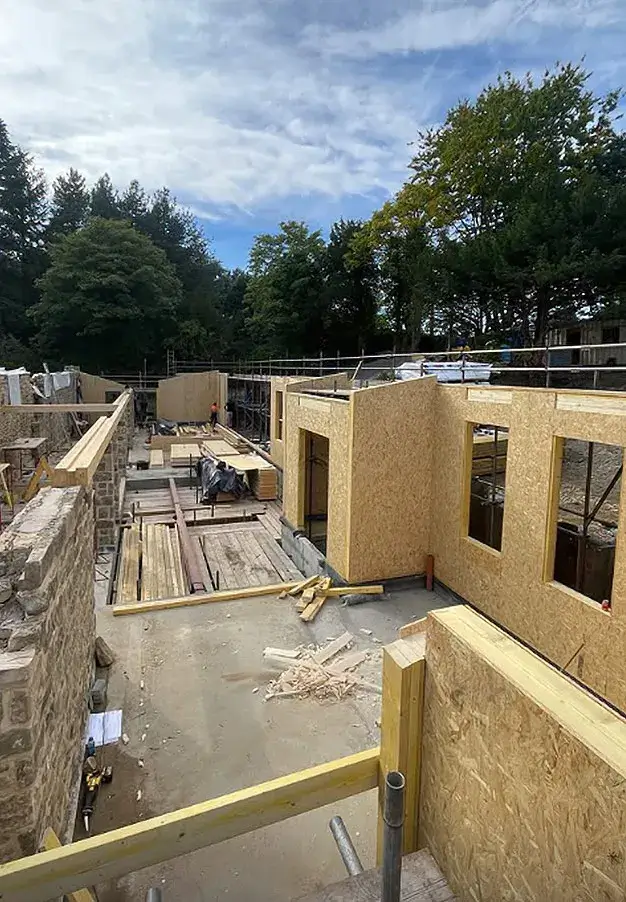
The SIP/timber structural solution incorporated SIP panels alongside glulam and loose-cut timber elements.
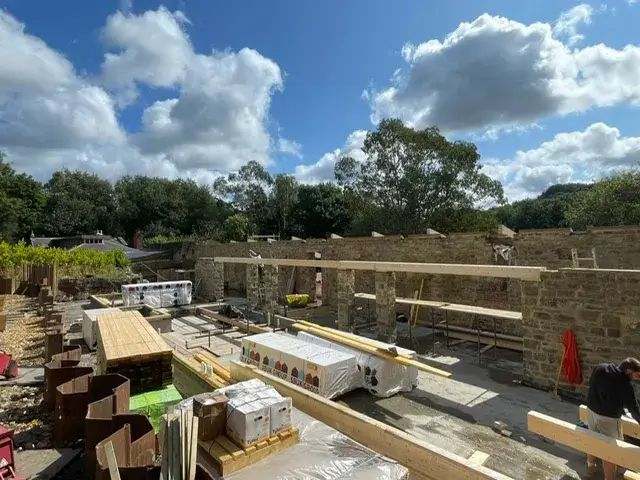
Multiple roof forms, changing ridge lines, large openings and interfaces with retained walls were coordinated before manufacture.
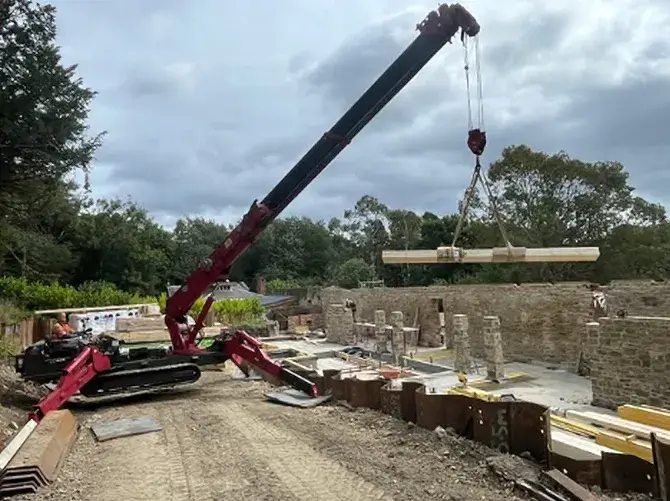
Factory-cut components then enabled crane-assisted installation with fewer alterations required alongside the sensitive historic fabric.
This demonstrates an important benefit of an engineered offsite system: complex details can be considered and coordinated before structural components arrive on site.
Learn more about how our systems work within SIPs Explained.
How Quickly Did the SIP Structure Reach Weathertight?
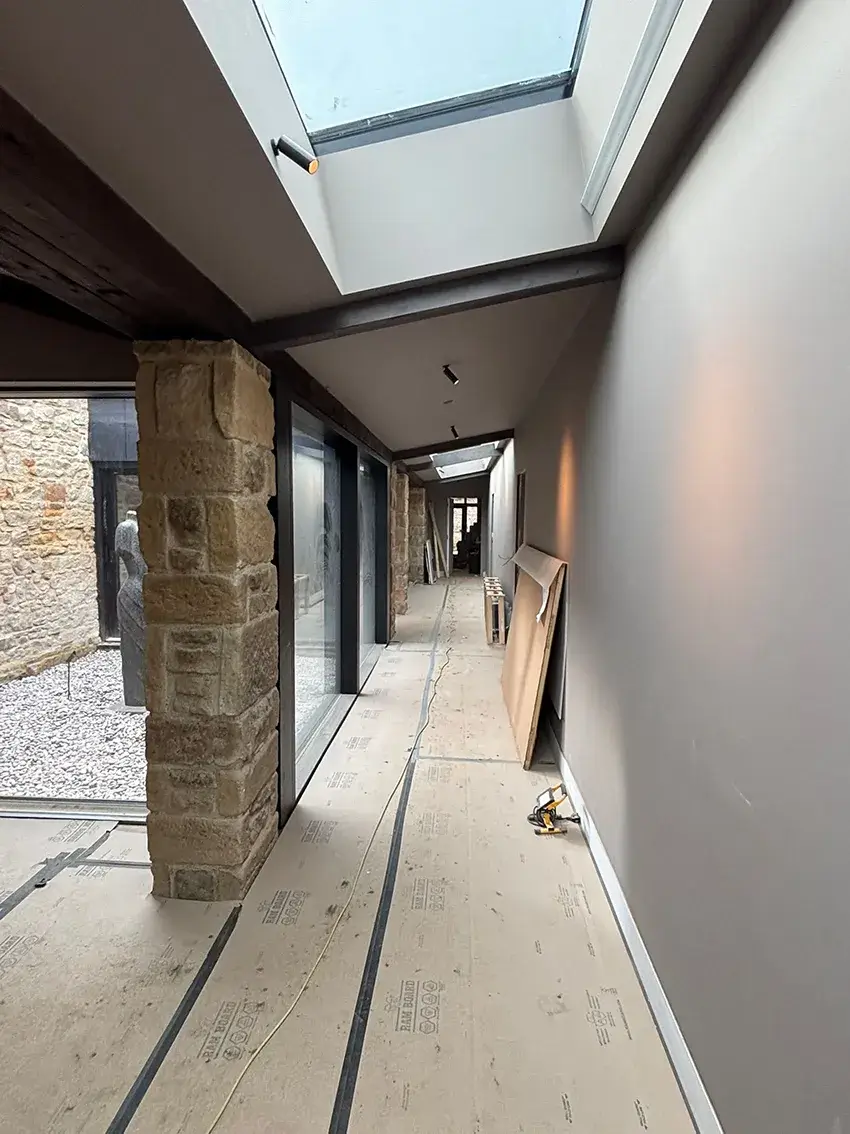
Following the complex basement excavation and preparatory work around the Grade II listed wall, the SIP Build UK structural system was erected on site.
The house and gym structures reached weathertight stage in approximately five to six weeks.
Reducing the period during which the structure was exposed to the weather also enabled following trades to begin sooner.




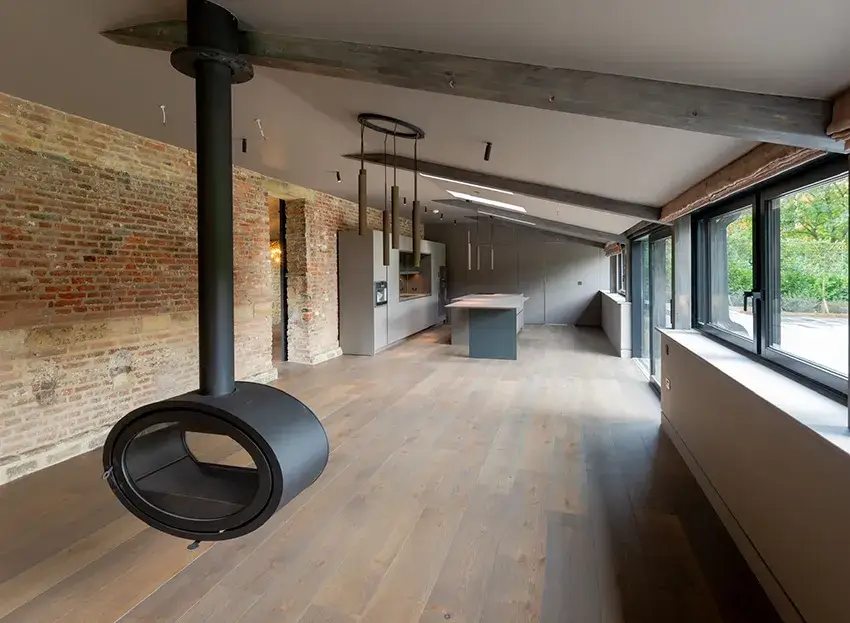
Why Did Offsite Manufacture Matter at Beamish?
The complexity and heritage sensitivity of Beamish meant there was limited scope for improvisation alongside the retained historic structures.
SIP Build UK’s integrated responsibility for design, engineering, manufacture, supply and installation allowed loads, openings, junctions and interfaces to be resolved before production.
Factory manufacture also reduced offcuts and site waste, while the five-to-six-week route to weathertight reduced weather exposure and helped following trades progress sooner.
Beamish therefore demonstrates why the performance of a SIP building cannot be considered solely in terms of the individual panel.
Design, engineering, manufacturing accuracy, detailing and installation all contribute to the finished building.
Read more about this in our Latest News feature, Not All SIP Systems Are Equal. [ADD link]
How Was the Grade II Listed Wall Incorporated?
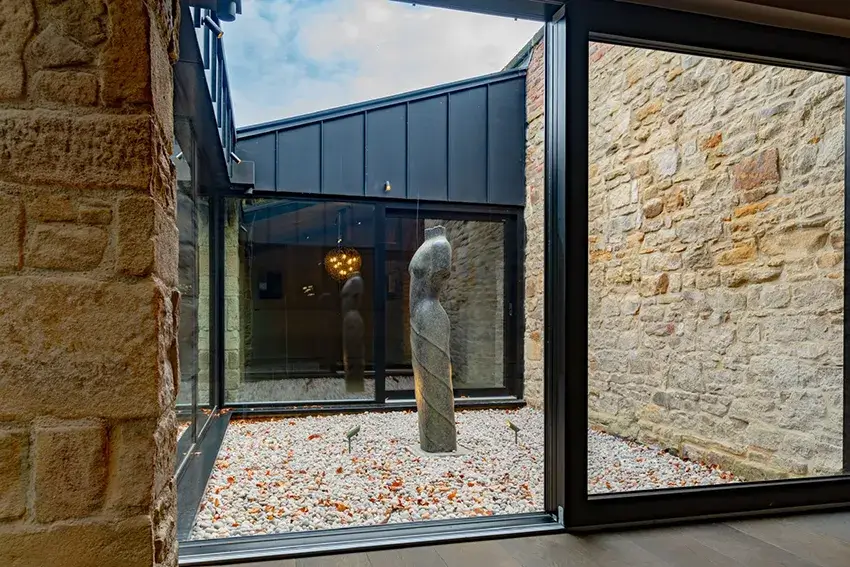
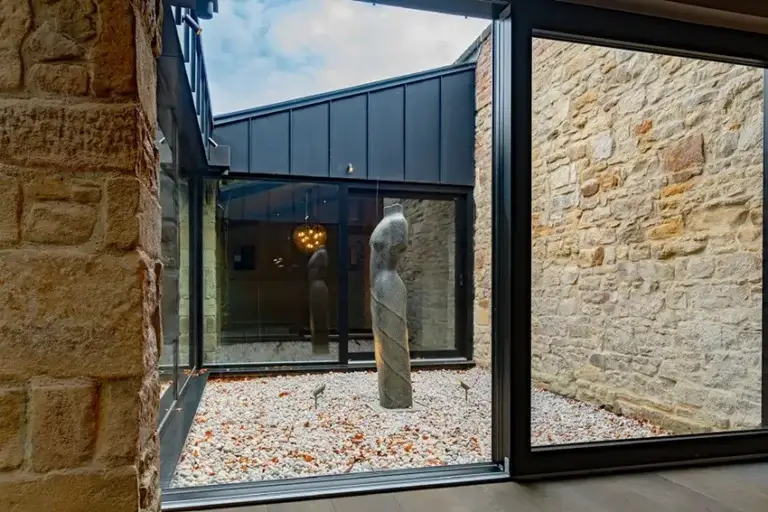
Rather than treating the historic wall simply as a constraint, the project incorporated it into the architectural design.
The surviving historic fabric formed part of the former nursery garden serving Beamish Hall, believed to date from the early 18th century.
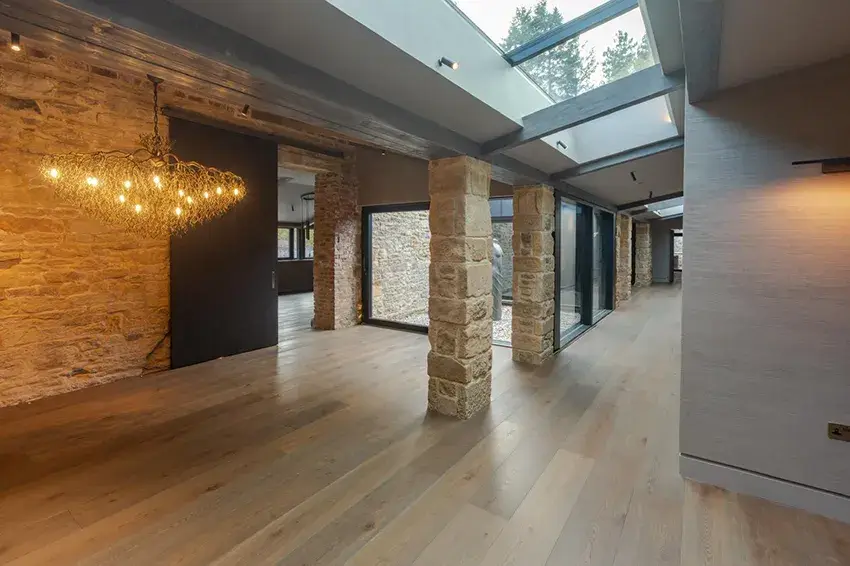
The contemporary design combines the retained wall and stone/bothy structures with timber, brick, stone, zinc, slate and generous areas of glazing.
The result brings together historic character, contemporary architecture and high building performance without attempting to imitate the original structures.
Has beamish Passive House Recieved Industry Recognition?
Yes.
Beamish Passive House was shortlisted at the Offsite Awards 2026 and the Structural Timber Awards 2026 for Best Use of Timber Technology.
The project has also been entered into the Build It Awards 2026 – Best SIPs Home category.
What Does Beamish Demonstrate About SIP Construction?
Beamish provides a useful real-world example of what can be achieved when structural design, engineering, offsite manufacture and installation are treated as a coordinated process.
The completed project achieved:
✓ 0.98m³/(h·m²) at 50Pa air-pressure test result
✓ 0.12W/m²K wall U-value
✓ 0.11W/m²K roof U-value
✓ SAP rating of 100 A
✓ Reported primary energy use of 5kWh/m² per year
✓ Approximately five to six weeks to weathertight
Alongside these measured results, the system had to respond to complex architectural geometry and sensitive interfaces with Grade II listed historic fabric.
Beamish demonstrates that SIP construction can provide much more than an insulated structural panel.
When design, engineering, manufacture and installation are properly coordinated, SIPs can form the basis of a highly efficient building envelope while providing the flexibility required for demanding bespoke architecture.
What Does Beamish Demonstrate About SIP Construction?
SIP Build UK provides a complete design, manufacture, supply and installation service for SIP projects across the UK.
If you’re planning a self-build, residential development, education or commercial project, explore our SIPs for Self-Build Homes, visit SIPs Explained for technical information or send us your plans to discuss your project.
Additional Links
View Preston Farm Developments
View the build highlights on Preston Farm Development’s Instagram page: